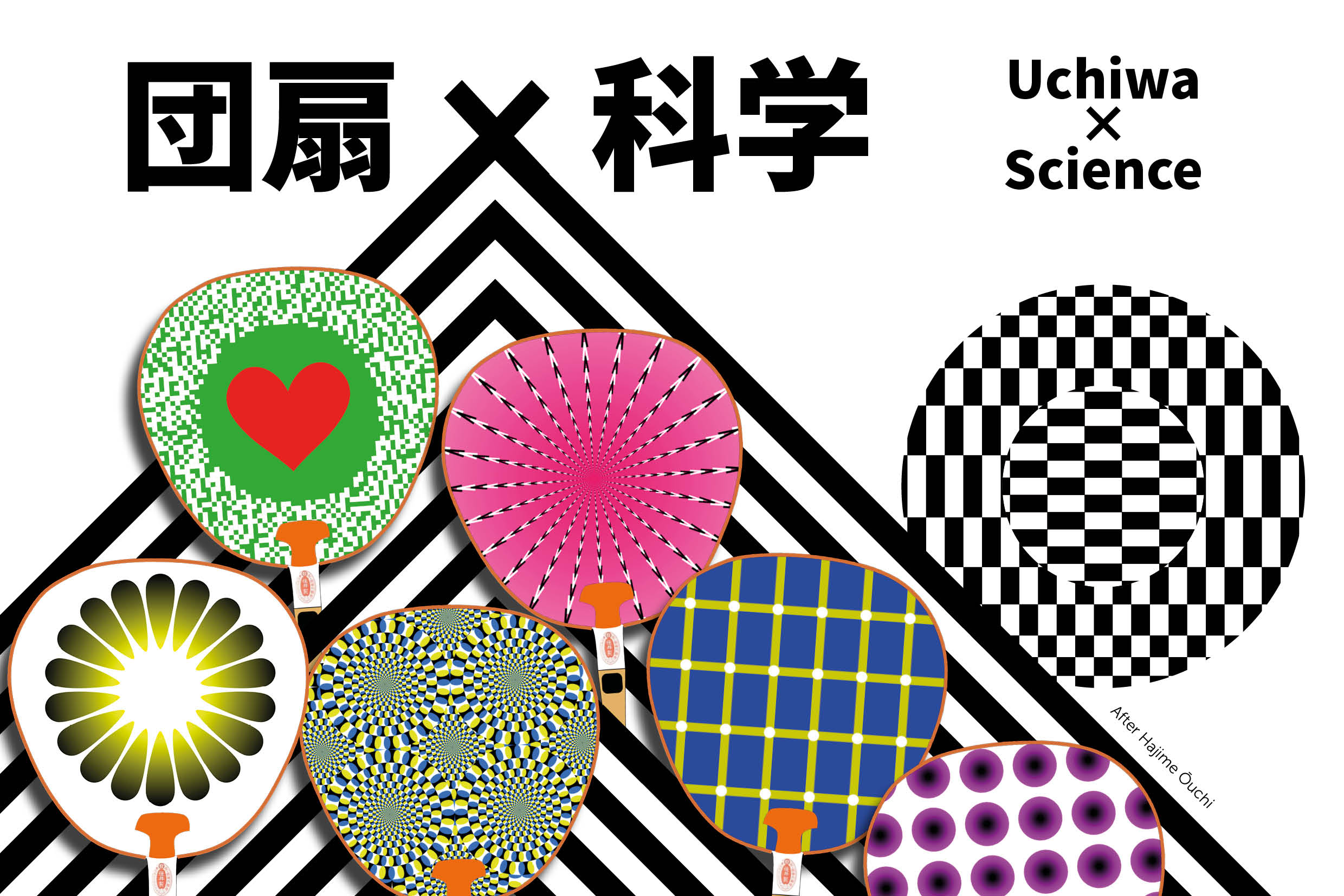
Uchiwa science: optical illusions
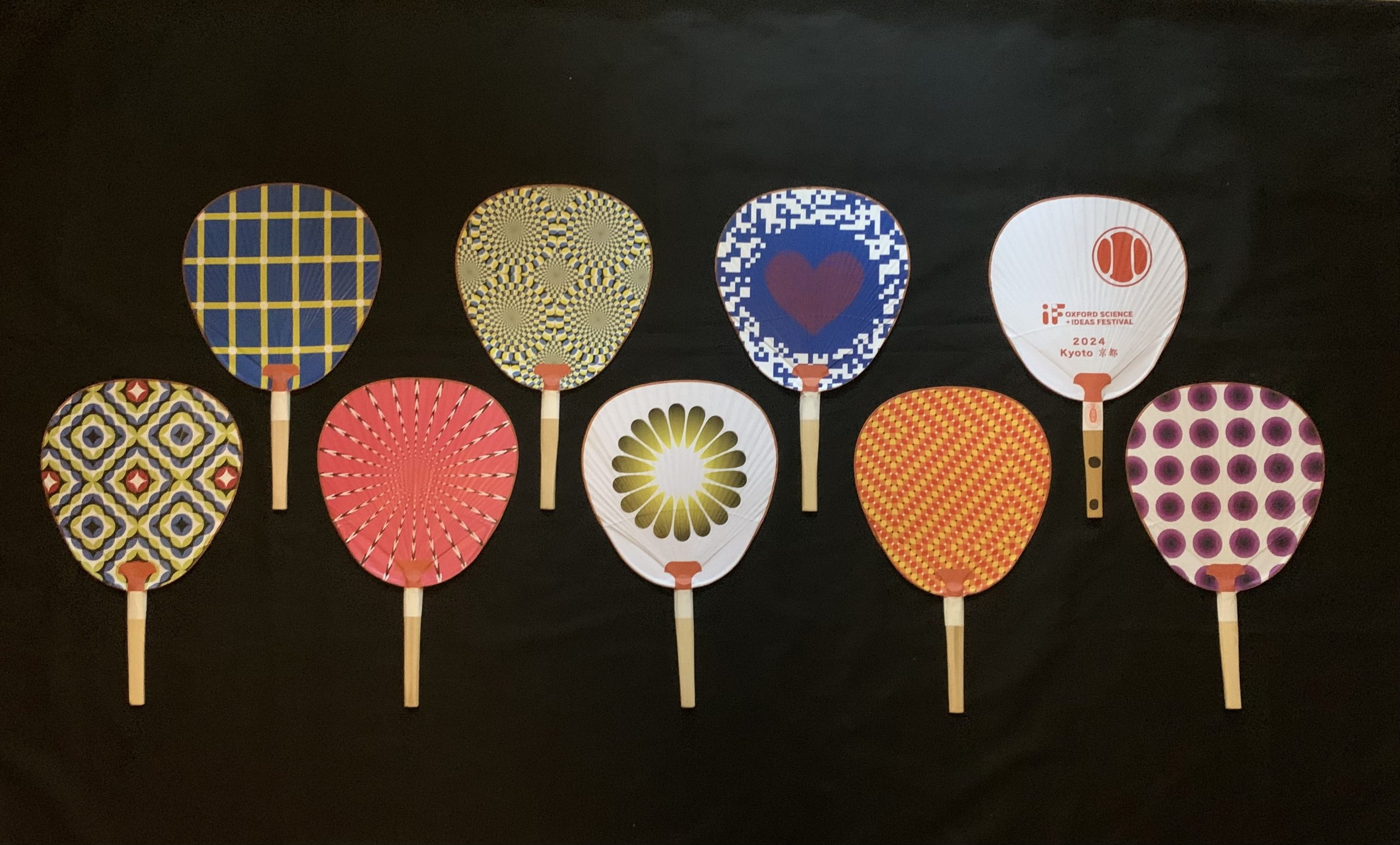
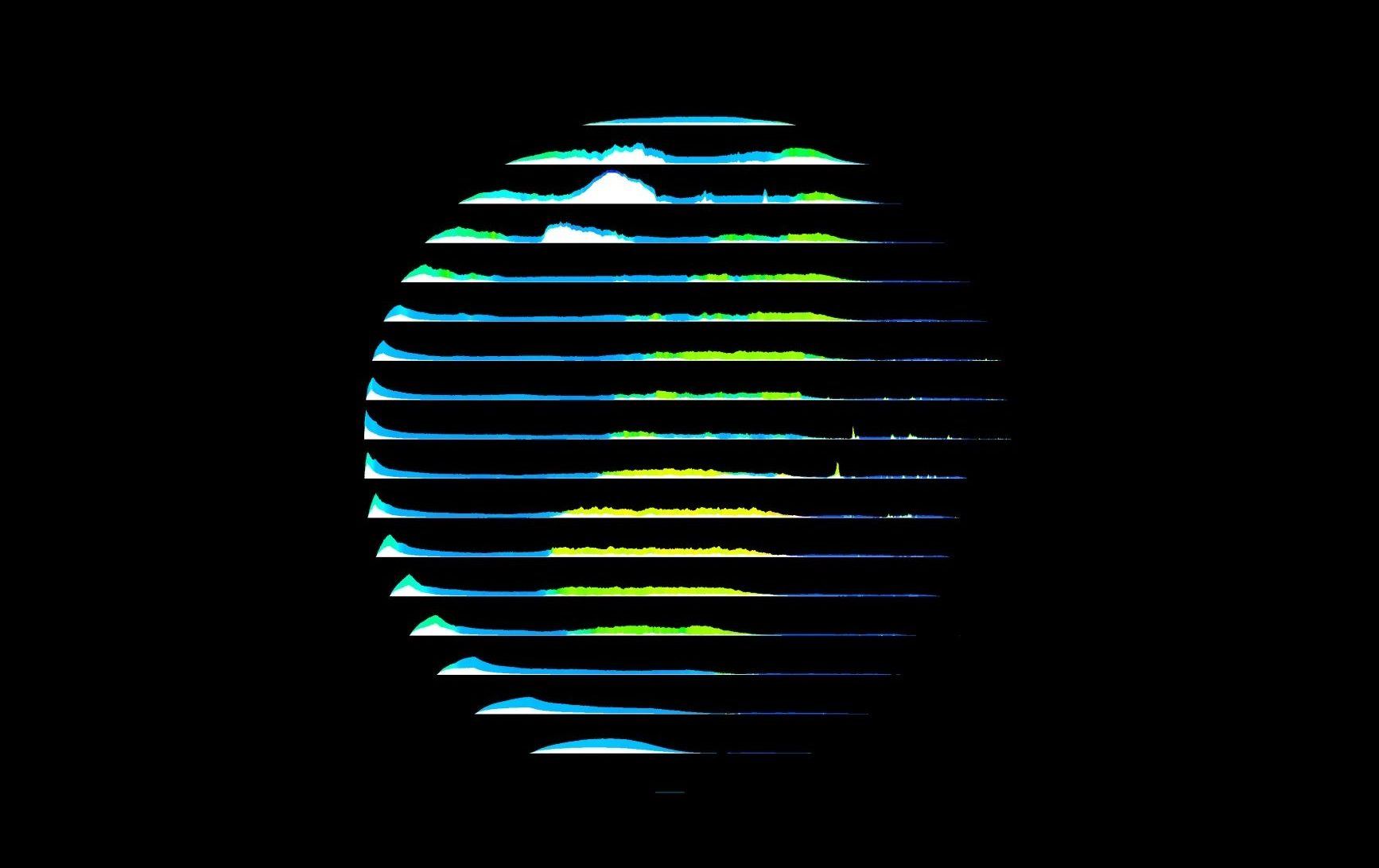
This exhibition project – one of 100+ events and activities part of IF Oxford this October and November – is the result of the first collaboration between IF Oxford and Komaruya Sumii, combining the 400-year-old Kyomaru uchiwa with state-of the art optical illusions from psychology professor Akiyoshi Kitaoka. This ancient craft is the perfect setting to experience dynamic designs printed on washi paper and share perspectives on perception. Read about the IF Oxford 2024 Earth cover illustration in the feature article: Lines of Vision
Free exhibition
6 October – 2 November
This captivating exhibition blends culture, science and art, featuring over a dozen different designs displayed simultaneously at various venues throughout the 2024 Oxford science and ideas Festival.
Please enjoy: share your optical illusion photos and tag @oxford_if
Exhibition locations:
Grassroots, Woodstock Road, OX2 6HT
Mondays – Fridays, 8.30am – 5pm
Oxford Centre for Innovation, New Road, OX1 1BY
Mondays – Fridays, 8.30am – 5pm
Oxford Westgate Library, Queen Street, OX1 1PE
Mondays – Thursdays, 9am – 8pm
Fridays & Saturdays, 9am – 5.30pm
Mini exhibition in libraries (opening times vary) across Oxford:
Headington Library, OX3 9HY
Blackbird Leys library, OX4 6HT
Mini exhibition in libraries (opening times vary) outside of Oxford:
Abingdon Library, OX14 3LY
While you’re at your local library, why not explore books on topics like Japanese culture, human biology, psychology, craft manufacturing and product design at your local library?
Optical illusions
One of the earliest optical illusions was reported by Ludimar Hermann in 1870. White vertical and horizontal lines appear cloudy at intersections, but when you shift your gaze to one of the grey clouds, it vanishes. This effect reveals clues to how your retina, central and peripheral vision and image processing centres in the brain work.
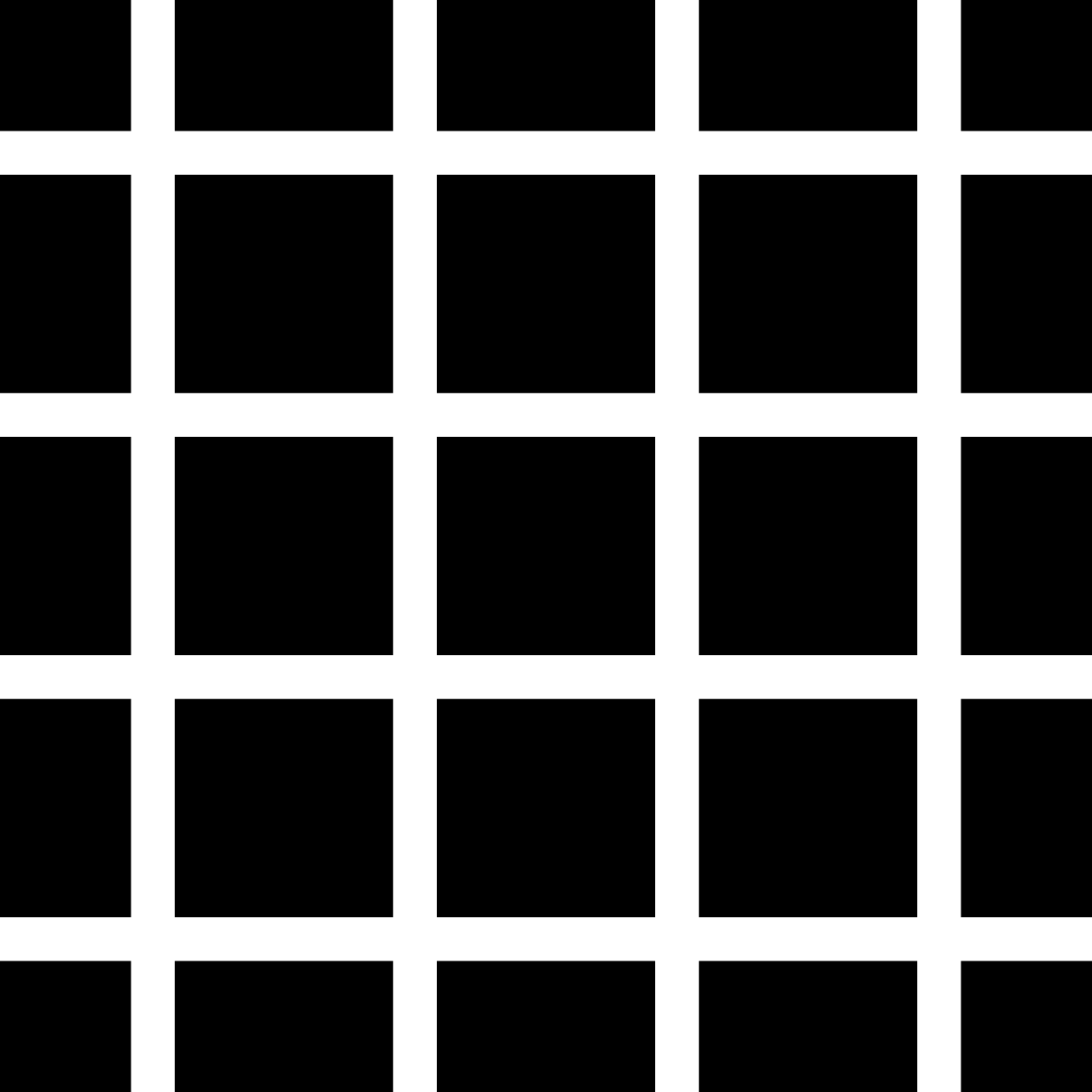
Hermann Grid Illusion
The Scintillating Grid Illusion was developed over a hundred years later and first presented by E. and B. Lingelbach and M. Schrauf in 1995.

Scintillating Grid Illusion
The chromatic (colour) scintillating grid was then developed, where blue dots are initially visible within the white dots, which fade when you continue to stare at the image.
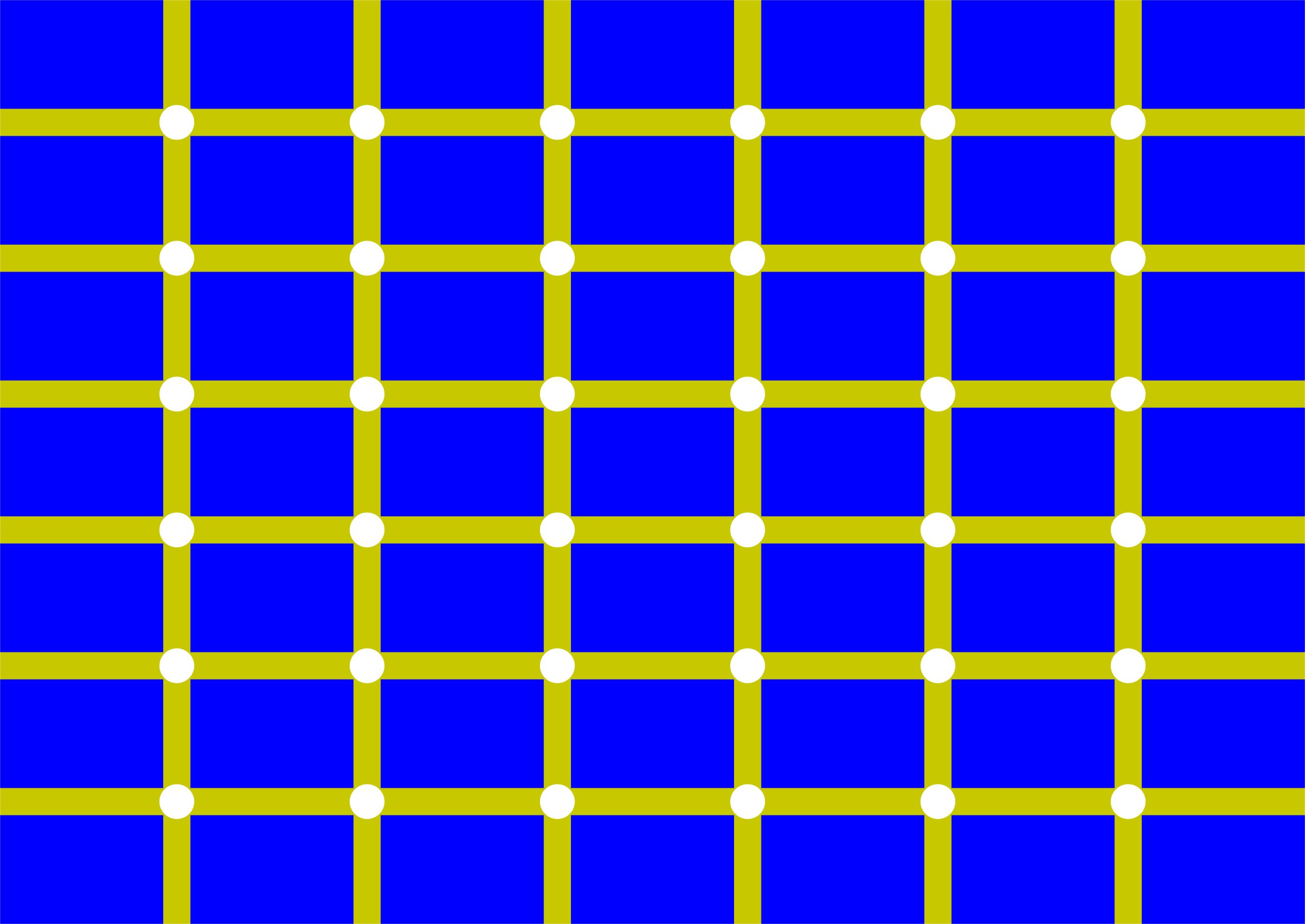
Chromatic scintillating grid
This is a colour version of the scintillating grid illusion similar to the Hermann grid illusion. The Hermann grid illusion is sometimes explained by the receptive field structure of ganglion cells in the retina, but vision scientists still do not know whether this is a sufficient explanation for this colour illusion.
Scientists are continuously discovering new ideas and you can develop your own scientific journey at your own speed.
Read about the IF Oxford Earth cover illustration in the feature article: Lines of Vision
You can make your own optical illusions by following the instructions supplied by Akiyoshi Kitaoka here: https://www.psy.ritsumei.ac.jp/akitaoka/kosaku2e.html

Squares are of the same luminance gradient
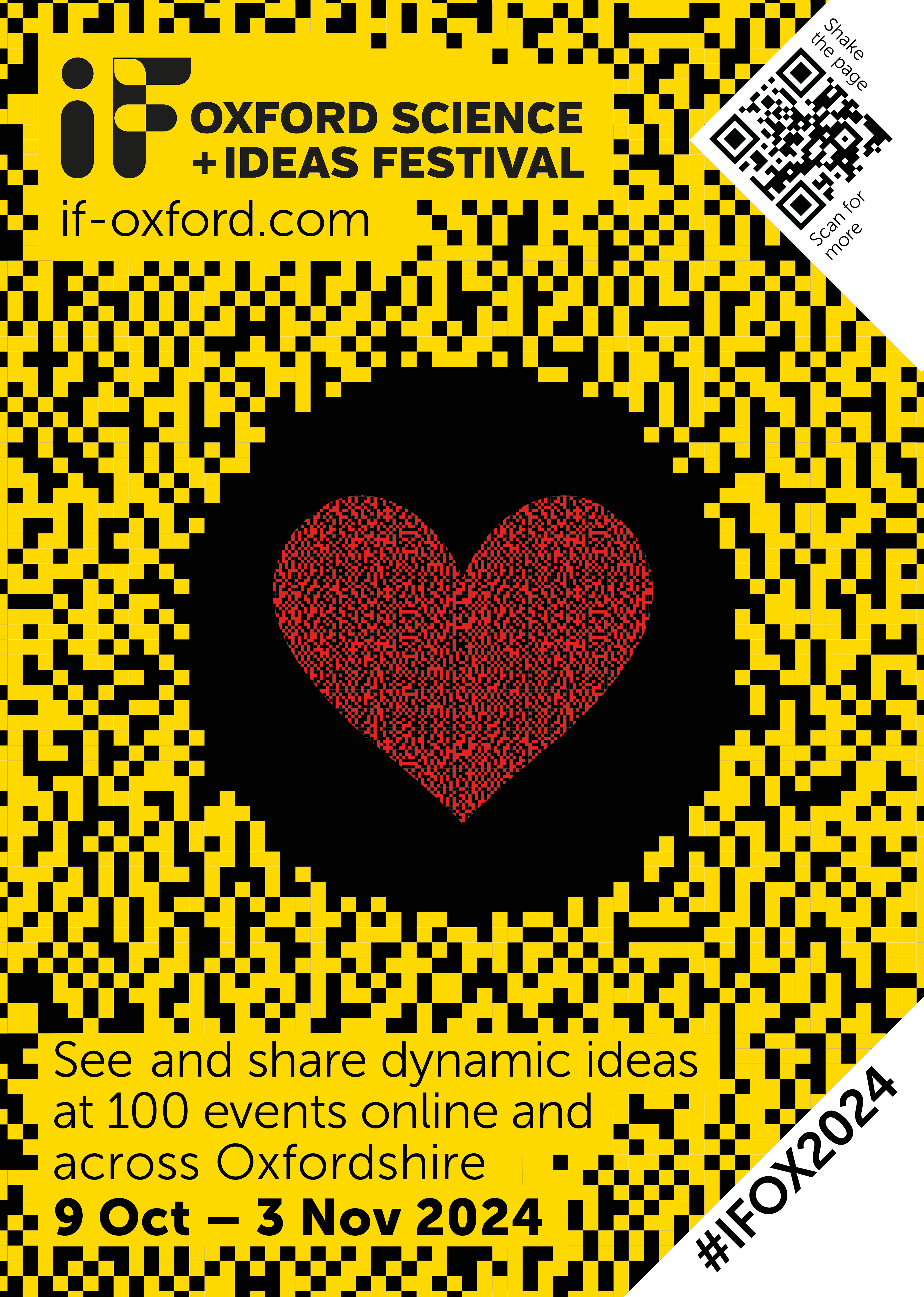
IF Oxford fluttering heart poster: shake the image and see the heart flutter